|
"The 'potlatch' was a festival ceremony practiced by the indigenous people of the Pacific Northwest Coast. The word potlatch means "to give away" or "a gift." Aspiring nobles validated their status positions through lavish distribution and ostentatious destruction of resources and property.
Franco Fornari hypothesized (1974) that warfare is ostentatious destruction, "voluntary destruction of previously accumulated reserves of human capital,” an activity performed with the intention to “sacrifice a certain number of lives."
Warfare is ostentatious destruction. The "big men" of the Twentieth Century, Lenin, Stalin, Mao, Hitler, and Pol Pot, were those who killed the greatest number of people. "Big history" documents these gigantic episodes of potlatch. Historians are impressed by men who generate mass-murder, documenting the lives and performances of men who have killed the greatest number of people.
Mass-murderers are acutely aware of historians; their "fans." They understand what is required--to get their names into the "history books." Historians and mass-murderers collaborate.
Norman O. Brown states (1959) that archaic gift-giving (the potlatch being an example) is “one vast refutation of the notion that the motive of economic life is utilitarian egoism.”
Archaic man gives because he wants to lose. The psychology is self-sacrificial. The need to produce an economic surplus: “Gifts are sacred, and the gods exist to receive gifts.”
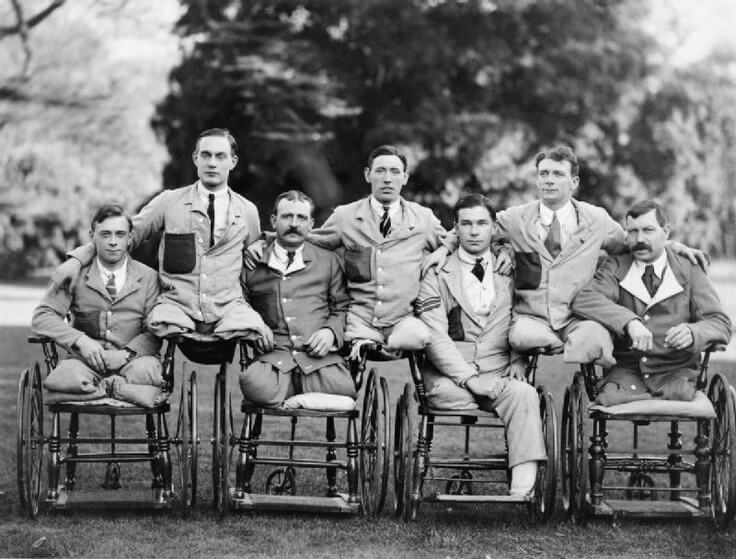
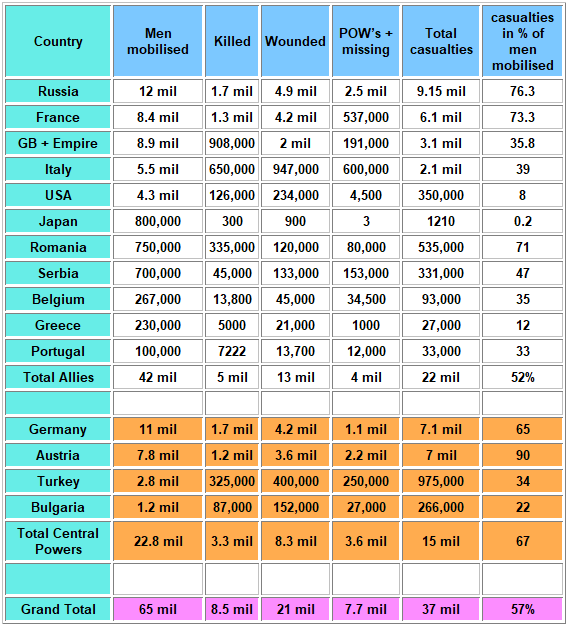
The First World War was a monumental form of potlatch or ostentatious destruction, each nation striving to demonstrate its willingness to throw away men (and materials).
The greatness or prestige of each nation was measured according to the quantity of men and material thrown away or wasted. The First World War was a massive episode of sacrificial competition. The “gift” of millions of lives was offered to the reigning god, the nation state.
|