"Malignant Narcissism"--Explains Nothing
Koenigsberg, Richard

Note from Mary Helen Guider Shaw: We sent a similar issue of this LSS Newsletter out several days ago. There was an Internet Glitch. Some of you may have received it, some not. If you received it, we apologize. However, Richard has edited it in the last two days--so it's worth reading again.
____________________________________________________________________________________
 It does little good to "diagnose" Donald Trump: calling him a "malignant narcissist," for example: Identifying or naming a "pathology" Trump may possess does not constitutes an explanation. 70 million people voted for Trump. The question: what was Trump saying or doing that appealed to so many human beings.

I've analyzed Hitler for many years. If one wishes, one may try to describe his  "personality." However, the central question is: What did Hitler say--that the German people found so appealing (Hitler was the most popular political leader of the 20th Century).

The will to support a leader grows out of the words he utters (and how he moves when he utters these words).  Words spoken by a sucessful leader articulate a PHANTASY that appeals to members of his audience. Something the leader says fulfills people's desires. What are the nature of the desires that are conveyed by the words of the leader?

Norman O. Brown said: "The chorus is the author." Trump may be a narcissistic or psychopath or suffering from a borderline personality disorder. He may be possessed by paranoid delusions. These words explain nothing. Politics is interaction between a leader and his constituents. The leader is  "chosen" by the people to fulfill their desires.

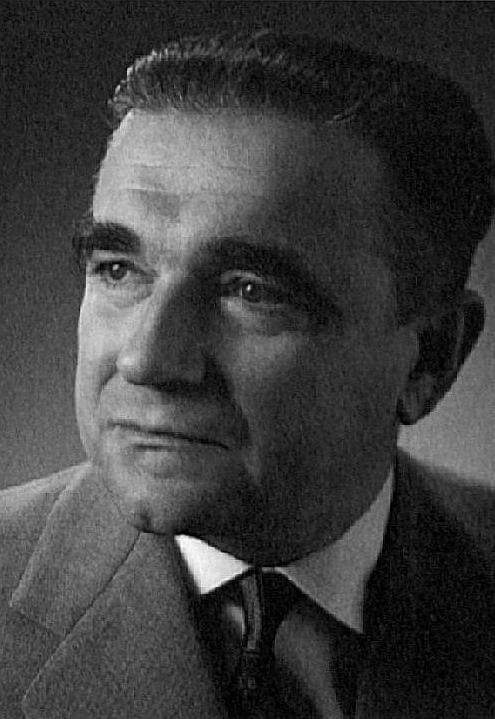
Ernst Rudolf Huber

The Leader is the Bearer of the Collective Will

Nazi political theorist Ernst Rudolf Huber stated that the leader is the bearer of the "collective will of the people.” In the will of the leader, the “will of the people is realized.”

Hitler’s will, Huber says, was not the “subjective will of a single man.” Rather, the collective national will was embodied within Hitler. A people’s collective will is rooted in the “political idea which is given to a people.” The political idea is present in the people, but the Führer “raises it to consciousness and discloses it.”

By “disclosing” a people’s political idea—a leader brings into consciousness that which had been unconscious. The leader brings forth—makes manifest—ideas and desires that had been latent. His ideology reveals and crystallizes a people’s shared fantasies.

The leader invents images, metaphors and phrases to convey these fantasies. He processes his own fantasies and those of his people—and “returns” information to his audience in the form of a societal discourse. By virtue of being transformed into a societal discourse, energies and passions bound to unconscious fantasies are released for action. The ideology transforms latent desires and fantasies into the collective will to act.