|
|
|
What is the difference Islamic suicide bombers and the soldiers of the First World War--who were asked to get out of trenches and run into machine-gun fire and artillery shells for four years (1914-1918)? (1) The number of martyrs produced (see table below). (2) The level of consciousness in relationship to acts performed. Islamic radicals are aware that suicidal violence has a religious purpose. Western leaders of the First World War (and the historians who write about the war) do not possess such awareness, pretending instead that martyrdom operations were undertaken in the name of "winning." |
|
|
Abdullah Azzam (Bin Laden's mentor), the “Lenin of international jihad," produced a philosophy of history crystallized in the following words: “History does not write its lines except with blood." A village merchant speaking to a European sociologist provided a rationale for the religious violence occurring in the Middle-East: “The blood shed by the Iranian martyrs Is like the water of an irrigational canal which gives life to the crops. From it the religion will grow.” P. H. Pearse—founder of the Irish Revolutionary movement—was thrilled by the carnage of the First World War: The last sixteen months have been the most glorious in the history of Europe. Heroism has come back to the earth. It is good for the world to be warmed with the red wine of the battlefield. Such august homage was never before offered to God as this—the homage of millions of lives given gladly for love of country. White, Matthew — First World War Casualties Source: Historical Atlas of the Twentieth Century. 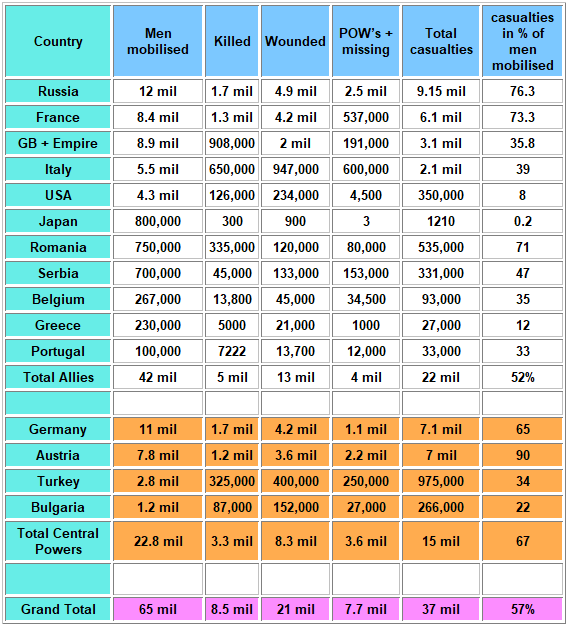 |