Franco Fornari calls war the spectacular establishment of a general human situation whereby “death assumes absolute value.” The ideas for which we die are considered to be true because death becomes a “demonstrative process.” Willingness to die in battle shows sincerity. Death in battle testifies to the truth of the ideology for which people fight and die.
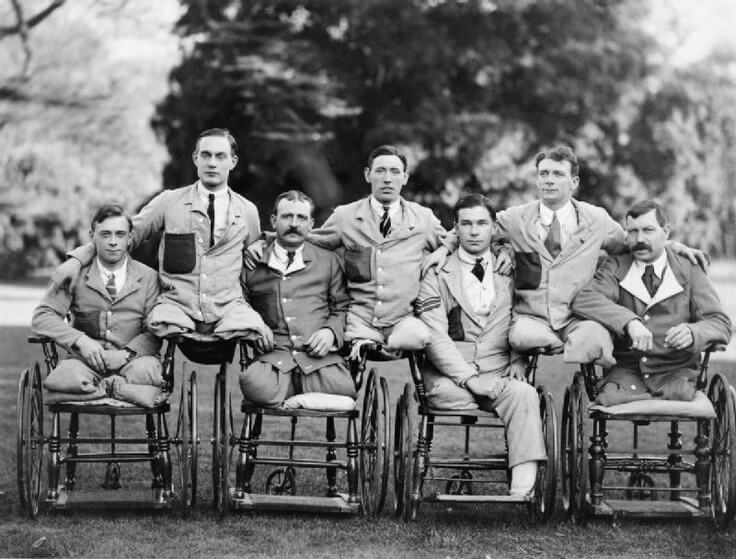
The connection between death and truth grows out of our feeling that surely if someone goes so far as to give their life--or a part of their body--for an idea, then there must be something to it. We find it difficult to conceive that human beings would die--or give a part of their body--for an idea possessing no validity. Surely human beings would not allow themselves to be killed or to have their bodies mutilated in the name of no thing.
Dead and mangled bodies on the field of battle imply the existence of some “thing” in the name of which the frenzied activity and destruction—the carnage—has occurred, testifying to the reality of that thing.
People imagine that if radical acts of destruction are taking place, then they must be occurring based on something real. Acts of destruction confer reality on the entity or idea in whose name these acts are undertaken.
|